
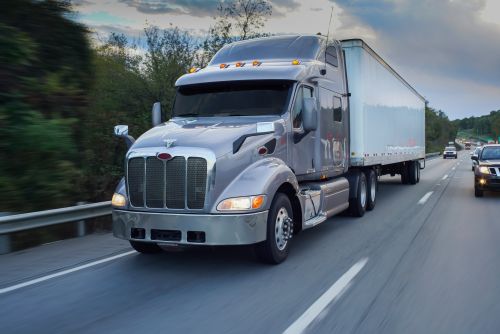
 Starting a trucking company in North or South Carolina can be an exciting opportunity for entrepreneurs, independent owner-operators, and experienced drivers ready to run their own businesses. But before you haul your first load, you need to understand what insurance coverage your trucking business requires.
The types of trucking insurance you need depend on several factors, including whether you operate locally or across state lines, what type of cargo you haul, the size of your trucks, and whether you operate under your own trucking authority or lease onto another motor carrier.
For new trucking companies, choosing the right insurance is about more than meeting legal requirements. You also need to protect your truck, your cargo, your business finances, and your ability to keep operating after an accident or unexpected loss.
At NC Trucking Insurance, we help trucking businesses find coverage options that fit their operations. Here’s what you need to know about trucking insurance requirements in North Carolina before getting your business on the road.
1. Commercial Truck Liability Insurance
Commercial truck liability insurance is one of the most important coverages for any new trucking company. It helps pay for covered bodily injury and property damage claims if your business is responsible for an accident.
If you plan to operate a for-hire trucking company transporting general freight, federal and state requirements generally establish a minimum of $750,000 in public liability coverage for qualifying commercial motor carriers. Certain cargo types and operations require higher limits.
For example, some hazardous materials operations require $1 million or $5 million in coverage, depending on the materials and how they are transported.
Although $750,000 may satisfy the applicable minimum for some operations, many brokers, shippers, and freight contracts require $1 million or more in liability coverage. You should confirm the limits required for the loads and contracts you intend to accept.
Your insurance agent can help determine the liability limits that apply to your particular trucking operation.
2. Motor Truck Cargo Insurance
If you haul freight for customers, motor truck cargo insurance may be essential to getting your business started.
Cargo insurance helps protect you financially when freight in your care is lost or damaged due to a covered event. Depending on the policy, covered losses may include damage resulting from an accident, theft, fire, or other covered causes.
The amount of cargo insurance you need depends on what you haul and the value of the freight.
For example, hauling general merchandise may have different insurance requirements than transporting electronics, refrigerated food, building materials, or other specialized cargo.
Before purchasing a policy, consider:
- Cargo type: What commodities will you transport?
- Cargo value: What is the maximum value of a load you expect to carry?
- Customer requirements: What coverage limits do brokers and shippers require?
- Policy exclusions: Are particular commodities, theft situations, or loading and unloading activities excluded or restricted?
Cargo insurance is not a universal federal requirement for every general-freight carrier, but contracts often require it. Special rules can apply to certain operations, including household goods transportation.
Make sure your policy covers the commodities you actually haul. A policy that excludes your primary cargo could leave your business exposed to a substantial loss.
3. Physical Damage Insurance for Your Truck
Your truck is one of your most valuable business assets. If it is damaged in an accident, stolen, or affected by another covered event, repairing or replacing it can be expensive.
Physical damage insurance generally includes two main types of coverage:
Collision coverage helps pay for covered damage to your truck resulting from a collision, subject to your deductible and policy terms.
Comprehensive coverage helps pay for covered losses unrelated to a collision, such as theft, fire, vandalism, or certain weather-related damage.
Physical damage insurance is generally not required by federal law simply because you operate a commercial truck. However, if you finance or lease your truck, your lender or leasing company will typically require it.
Even when physical damage insurance is optional, it can be an important part of protecting your investment. If your truck is your primary source of income, an unexpected loss could interrupt your business and create significant financial pressure.
When comparing policies, review the truck’s insured value, your deductible, and any applicable restrictions.
4. General Liability Insurance
Commercial auto liability insurance does not cover every type of liability your trucking business might face.
General liability insurance can help protect your business against certain third-party bodily injury, property damage, and other covered claims arising from business activities outside the operation of your truck.
For example, a covered claim might involve accidental property damage at a customer’s facility or an injury occurring at your business premises.
General liability coverage may be required by some brokers, shippers, warehouses, or business partners even when it is not otherwise mandated for your particular operation.
If you are starting a trucking company, ask whether your contracts require general liability insurance and whether the policy covers your specific business activities.
5. Workers’ Compensation Insurance
If you plan to hire drivers, dispatchers, mechanics, or other employees, you need to understand North Carolina’s workers’ compensation requirements.
North Carolina generally requires employers with three or more employees to carry workers’ compensation insurance, subject to statutory exceptions.
Trucking businesses need to pay particular attention to owner-operators and independent contractors. North Carolina has special rules that can require workers’ compensation coverage for certain trucking owner-operators, even when they are classified as independent contractors.
Whether you need a policy depends on your workforce, business arrangements, and applicable exemptions.
If you plan to hire drivers or contract with owner-operators, review your situation before operations begin. Misunderstanding workers’ compensation responsibilities can create unexpected expenses and legal exposure.
6. Trailer Interchange and Non-Owned Trailer Coverage
If your trucking business uses trailers you do not own, you may need additional insurance.
Trailer interchange insurance generally applies when you have a written trailer interchange agreement and are responsible for a non-owned trailer while it is in your possession.
For example, you might interchange trailers with another motor carrier as part of your regular operations.
Non-owned trailer physical damage coverage may also be available for certain situations involving trailers you use but do not own. The applicable coverage depends on the policy and the contractual arrangement.
If you pull trailers supplied by a motor carrier, broker, or customer, explain those arrangements to your insurance agent. Do not assume your truck’s physical damage policy automatically covers every trailer you pull.
7. Non-Trucking Liability and Bobtail Insurance
If you lease your truck to another motor carrier, your insurance needs may differ from those of a company operating under its own authority.
The motor carrier you lease to may provide liability coverage while you are operating under its dispatch. However, that coverage may not apply to every situation when you are not working for the carrier.
Non-trucking liability insurance generally provides liability coverage for certain personal or non-business use of a leased truck, subject to the policy’s terms and exclusions.
Bobtail insurance generally refers to liability coverage for operating a tractor without a trailer, although the exact meaning and coverage depend on the policy.
These coverages are not interchangeable in every situation. Being bobtail does not automatically mean you are covered by a non-trucking liability policy, and neither coverage should be assumed to cover business use while under dispatch.
If you are an owner-operator leased to a motor carrier, review the carrier’s insurance arrangements and your lease agreement before purchasing additional coverage.
8. Additional Insurance for Specialized Trucking Operations
Some trucking businesses need specialized insurance based on the cargo they haul or the services they provide.
Examples include:
- Refrigerated trucking: Reefer breakdown or refrigeration-related cargo coverage may be important when transporting temperature-sensitive freight.
- Hazardous materials: Certain hazardous materials require higher liability limits and additional regulatory compliance.
- Dump trucks and construction hauling: Coverage needs may differ depending on whether you haul materials, perform site work, or operate around construction equipment.
- Household goods movers: Additional state and federal requirements may apply to household goods transportation.
- Heavy equipment hauling: Specialized cargo coverage and appropriate limits may be needed for oversized or high-value equipment.
Be specific about your intended operations when requesting a trucking insurance quote. The types of cargo you haul, the radius you travel, your equipment, and your contracts can all affect which policies are appropriate.
How Much Trucking Insurance Do I Need in North Carolina?
The answer depends on your operation. The following table provides a general starting point for a new trucking business.
| Insurance coverage | Why you may need it |
|---|---|
| Commercial truck liability | Required limits depend on your operation and applicable regulations |
| Motor truck cargo | Often required by brokers, shippers, or contracts |
| Physical damage | Protects your truck against covered damage; commonly required by lenders |
| General liability | May be required by contracts and helps address certain non-auto liability claims |
| Workers’ compensation | Required when applicable under North Carolina law |
| Trailer interchange or non-owned trailer coverage | Needed for certain non-owned trailer arrangements |
| Non-trucking liability or bobtail coverage | May be appropriate for leased owner-operators, depending on their existing coverage |
Important: Insurance minimums are not the same for every trucking business. Your requirements depend on factors such as vehicle weight, commodities, interstate versus intrastate operations, operating authority, and contractual obligations.
For official information, review the FMCSA Insurance Filing Requirements and the North Carolina DMV Commercial Trucking requirements.
Do I Need Insurance Before Getting My Trucking Authority?
If you plan to operate as a for-hire interstate motor carrier under your own operating authority, you should arrange the required insurance as part of the authority application process.
For applicable interstate motor carriers, your insurer must submit the required proof of insurance to the Federal Motor Carrier Safety Administration (FMCSA). The agency will not grant operating authority until the required financial responsibility is on file.
Your insurance filings must remain active to maintain the authority.
If you plan to operate exclusively within North Carolina, state registration and insurance-verification requirements may apply. Household goods carriers and certain specialized operations can have additional requirements.
It is important to identify the correct requirements before you begin hauling. Purchasing a policy alone does not automatically complete all required filings or registrations.
What Affects the Cost of Trucking Insurance in North Carolina?
One of the biggest questions new trucking business owners ask is, “How much will my trucking insurance cost?”
There is no single price that applies to every new trucking company. Insurance premiums depend on several factors, including:
- Driving history: Accidents, violations, and claims can affect your rates.
- Years of experience: A driver’s commercial driving experience and time operating similar equipment can influence underwriting.
- Type of cargo: Certain commodities present greater risks than others.
- Operating radius: Local, regional, and long-distance operations have different exposures.
- Truck type and value: The vehicle, its use, and its insured value affect the coverage and premium.
- Coverage limits and deductibles: Higher limits and lower deductibles can increase premiums.
- Business experience and claims history: Insurers may evaluate your company’s operating record and loss experience.
- Credit-based insurance information: Where permitted and used by an insurer, credit-based insurance information may influence pricing.
New ventures may face higher premiums because they have limited business and claims history. However, rates vary by insurer, and comparing options can help you find coverage that fits your business.
Providing accurate information is essential. Be upfront about your driving history, cargo, equipment, operating radius, and business plans. Incorrect or incomplete information can lead to underwriting problems, coverage disputes, or other complications.
How to Get Trucking Insurance for a New Company in North Carolina
Getting the right coverage starts with understanding your business and preparing the information an insurance agent needs.
Before requesting a quote, gather the following:
- Business information: Your legal business name, address, and business structure.
- Operating authority details: Whether you have your own authority, are applying for authority, or will lease onto another carrier.
- Truck information: Year, make, model, vehicle identification number, and value.
- Driver information: License details, commercial driving experience, and driving history.
- Cargo information: The commodities you plan to haul and their approximate values.
- Operating radius: The states and distances in which you plan to operate.
- Coverage requirements: Any limits or endorsements required by brokers, shippers, lenders, or motor carriers.
An experienced trucking insurance agent can help you determine which policies and limits fit your operation, compare available insurance options, and coordinate required filings.
It is also worth reviewing your coverage as your business grows. Adding trucks, hiring drivers, hauling different commodities, or expanding into new states can change your insurance needs.
Get a Trucking Insurance Quote for Your New Carolina Trucking Business
Starting a trucking company involves many moving parts, and insurance is one of the most important decisions you will make. The right coverage helps you meet applicable requirements, satisfy customer contracts, and protect your business against covered losses.
Whether you are an independent owner-operator purchasing your first truck or launching a fleet, NC Trucking Insurance can help you explore coverage options for your business.
Ready to get started? Request a trucking insurance quote through nctruckinginsurance.com or call our office at 866-869-3335 to discuss your operation. We can help you identify the information needed to find coverage options for your trucks, drivers, cargo, and operating plans.
Get your insurance in place before your first load so you can focus on building your trucking business with greater confidence.
Want to learn more? Download a FREE copy of our Step By Step Guide to Get Your Trucking Authority
Disclaimer: This article provides general educational information and is not legal or regulatory advice. Insurance requirements vary by operation and may change. Confirm applicable federal and North Carolina requirements with the relevant agencies and a qualified insurance professional before beginning operations.
