
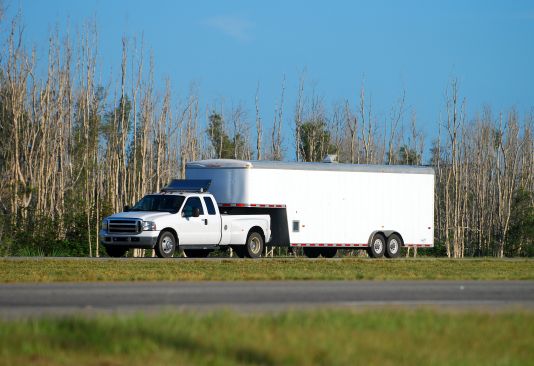
 Starting a trucking business in North Carolina is an exciting opportunity — but before you can haul loads and start earning, you must secure the proper authority to operate legally. Whether you’re planning a small intrastate operation or want to expand into interstate freight, understanding the trucking authority process is essential. Below, we break down the key steps you need to take to get your trucking authority in North Carolina.
- Decide Between Intrastate and Interstate Operations
Your first decision impacts the type of authority you’ll need:
- Intrastate trucking operates only within North Carolina. These carriers are often regulated at the state level, and depending on your freight type, you may need state permits or authority.
- Interstate trucking crosses state lines and is regulated at the federal level by the Federal Motor Carrier Safety Administration (FMCSA). For interstate operations, you’ll need a USDOT number and federal operating authority (MC number).
Understanding this distinction early helps you apply for the right credentials and avoid costly compliance issues later.
- Register Your Business & Choose a Legal Structure
Before applying for authority, establish your business properly:
- Choose a business name.
- Register your business with the North Carolina Secretary of State.
- Decide on a legal structure (sole proprietorship, LLC, corporation, etc.).
- Obtain an Employer Identification Number (EIN) from the IRS for tax purposes.
- Choosing the right structure protects your personal assets and sets the foundation for future growth.
Link to IRS to get an Employer Identification Number
- Get Your USDOT Number
If you plan to haul freight across state lines, the FMCSA requires you to obtain a USDOT number — a unique identifier used to monitor your safety and compliance history. This is the first step in federal trucking authority and is required for interstate operations.
Link to FMCSA
You can register for a USDOT number through the FMCSA’s Unified Registration System (URS).
- Apply for Federal Operating Authority (MC Number)
Once you have a USDOT number, you must apply for your Operating Authority if you’re hauling freight for hire in interstate commerce. Operating authority comes in the form of an MC number (Motor Carrier number) and authorizes you to transport regulated goods across state lines.
Link to FMCSA
Key things to know:
You’ll select the type(s) of authority based on the freight you’ll haul.
There’s a non-refundable application fee (typically around $300 per authority).
The FMCSA will grant authority once your application and compliance documents (including insurance) are accepted.
- Meet Federal Insurance Requirements
To activate your MC authority, you must have commercial trucking insurance in place. For interstate carriers, minimum coverage requirements vary by cargo type and vehicle weight (often at least $750,000 in liability insurance). However, $1,00,000 is typically the lowest limit required by those you will haul cargo for.
At Paramount Insurance, we specialize in helping new motor carriers secure the right insurance — whether you’re a hotshot operator, fleet owner, or long-haul carrier. Our team will help you find competitive rates and ensure your policy complies with FMCSA requirements.
- File Required Federal Forms (Including BOC-3)
In addition to insurance, you’ll need to file a BOC-3 form (designation of process agents) with the FMCSA. This designates agents in each state who can accept legal documents on your behalf.
Both your insurance filings and your BOC-3 must be submitted before your MC authority becomes active.
Designate your agent HERE
- Complete State-Level Registrations
If you’re operating within North Carolina, you may also need:
International Registration Plan (IRP) for apportioned vehicle registration if operating in multiple states.
Unified Carrier Registration (UCR) if required.
For intrastate freight, confirm with state agencies whether you need additional permits or credentials specific to North Carolina.
- Stay Compliant with CDL and Safety Rules
While securing authority is essential, don’t forget about the drivers:
All drivers must have a valid Commercial Driver’s License (CDL) appropriate for the vehicle and freight they operate for trucks, trailers and cargo over 26,000 lbs.
Ensure all safety and maintenance compliance requirements are met to avoid fines and violations.
Ready to Hit the Road with Confidence?
Getting your trucking authority can feel overwhelming — but you don’t have to do it alone. At Paramount Insurance, we’re experts in commercial trucking insurance and regulatory compliance. From your first insurance quote to keeping your authority active year after year, we’re here to help you keep on trucking.
Paramount Insurance Agency is committed to helping trucking businesses find the best coverage options. Contact us today at 336-869-3335 for a policy review and personalized insurance solutions.
